Eelume and PETRONAS enter strategic partnership to advance sustainable subsea operations
Eelume is strengthening its collaboration with PETRONAS Research Sdn. Bhd....

Five years ago, NTNU Shore Control Lab was little more than an idea and an empty room. Today, 25 people are affiliated with the lab, which has been involved in 42 research projects and has become an important arena for research, education and collaboration within autonomous and remotely operated maritime systems.
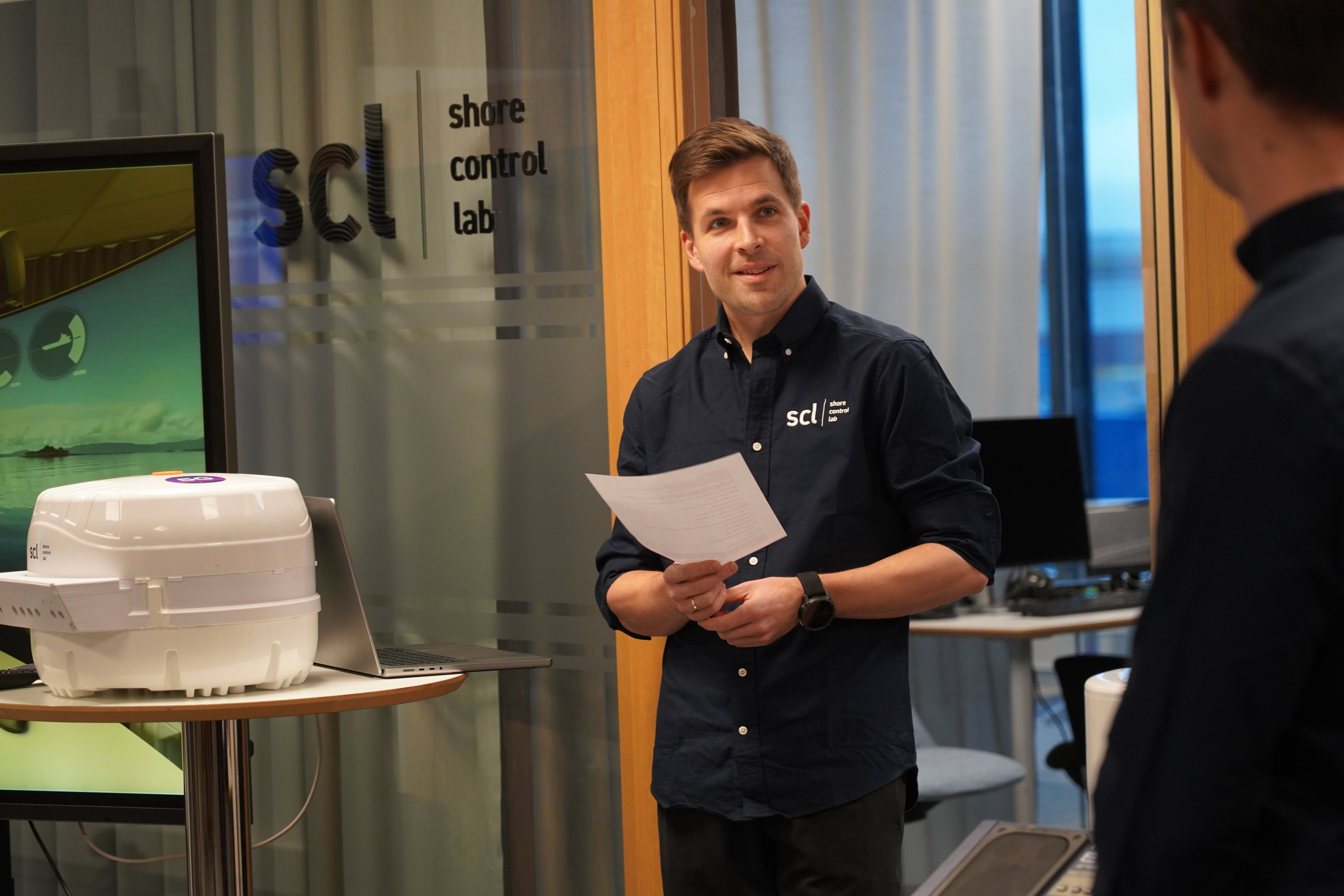
The fifth anniversary was celebrated at Nyhavna in Trondheim, where Head of Shore Control Lab and professor in interaction design Ole Andreas Alsos looked back at a journey that started with funding of close to NOK 1.8 million to establish the laboratory.
Since then, Shore Control Lab has developed into a multidisciplinary environment comprising researchers, PhD candidates, research assistants and students. According to Ole Andreas Alsos, students have played a particularly important role in building both the physical laboratory and the research environment around it.
Over its first five years, the lab has participated in 42 research projects, welcomed more than 200 visits from universities, companies and other organisations, and contributed to around 150 scientific publications. The research has also resulted in ten ideas reported to NTNU Technology Transfer and a patent related to a maritime head-up display.
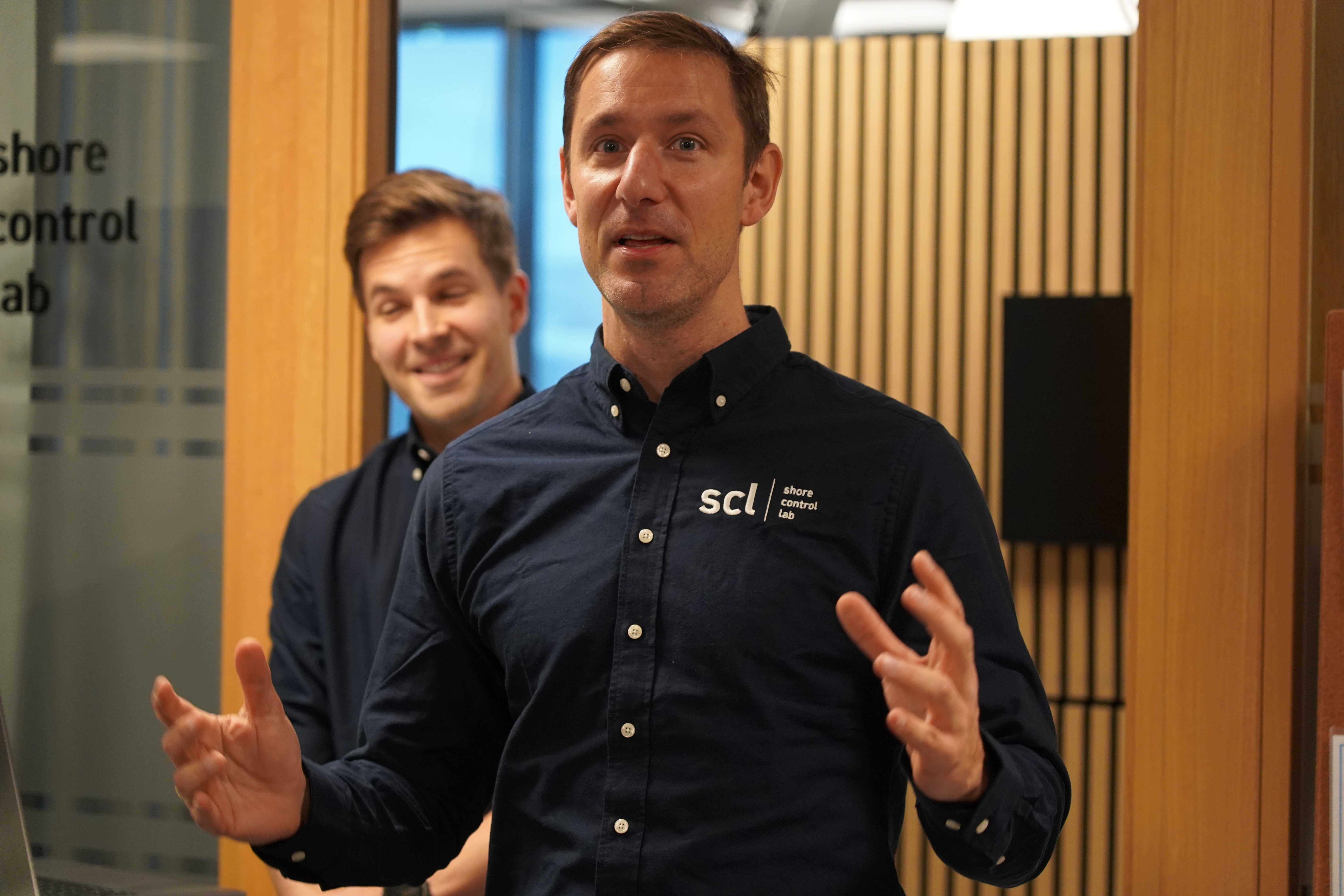 Ole Andreas Alsos, Head of Shore Control Lab and professor in interaction design. Photo: Lars Bugge Aarset/Fremtidens Industri
The development has taken place in close interaction with industry and the wider maritime technology ecosystem in Trondheim.
“The collaboration with Fremtidens Industri and Ocean Autonomy Cluster has been absolutely central to our success. This collaboration has been incredibly important,” says Ole Andreas Alsos.
One important example is MIDAS, Human in Future Maritime Operations. The project brings together several NTNU departments, SINTEF and industry clusters, including Ocean Autonomy Cluster, with the aim of strengthening innovation and the development of autonomous ocean technologies. Human-centred design, business development and closer collaboration between research and industry are key parts of the project.
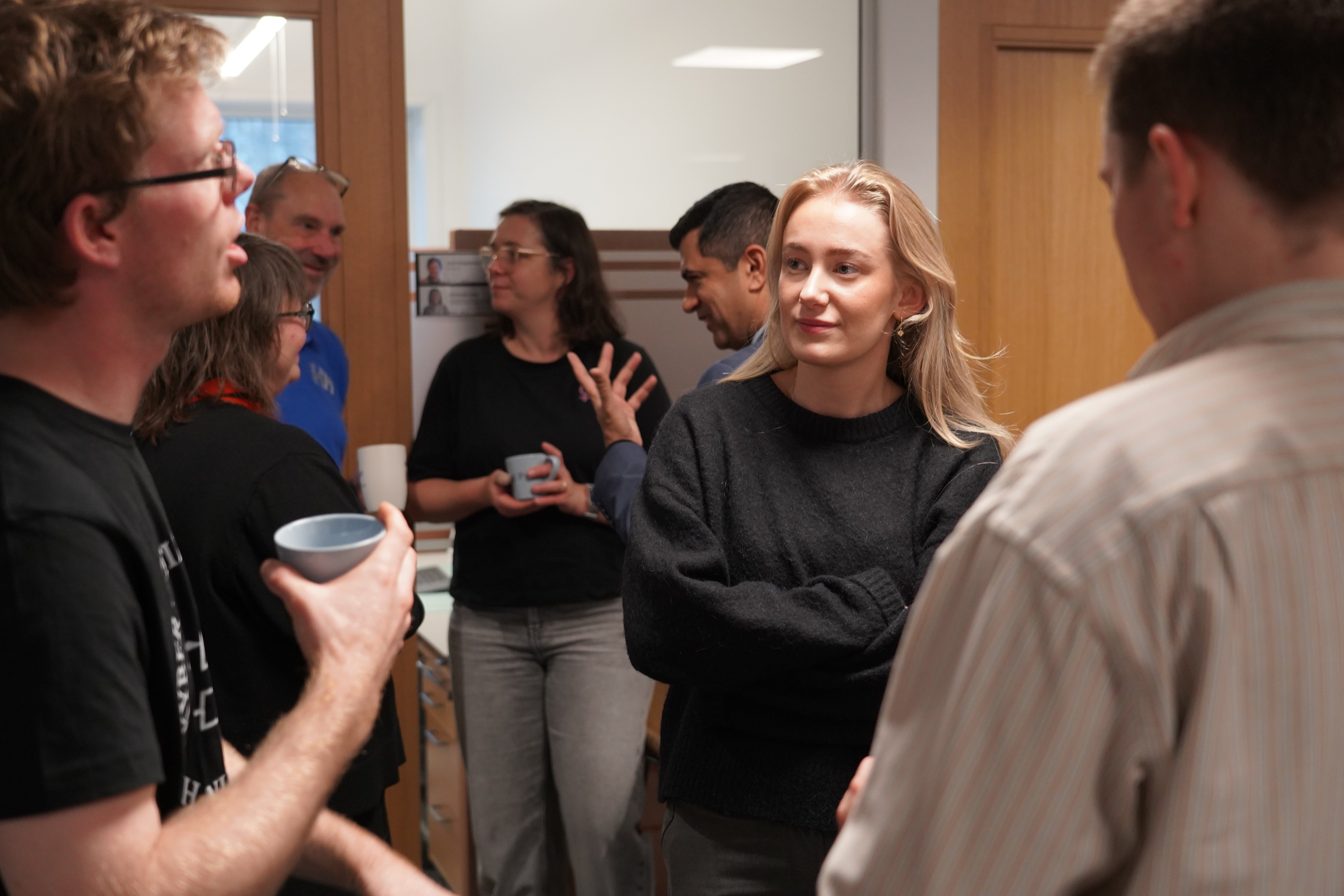
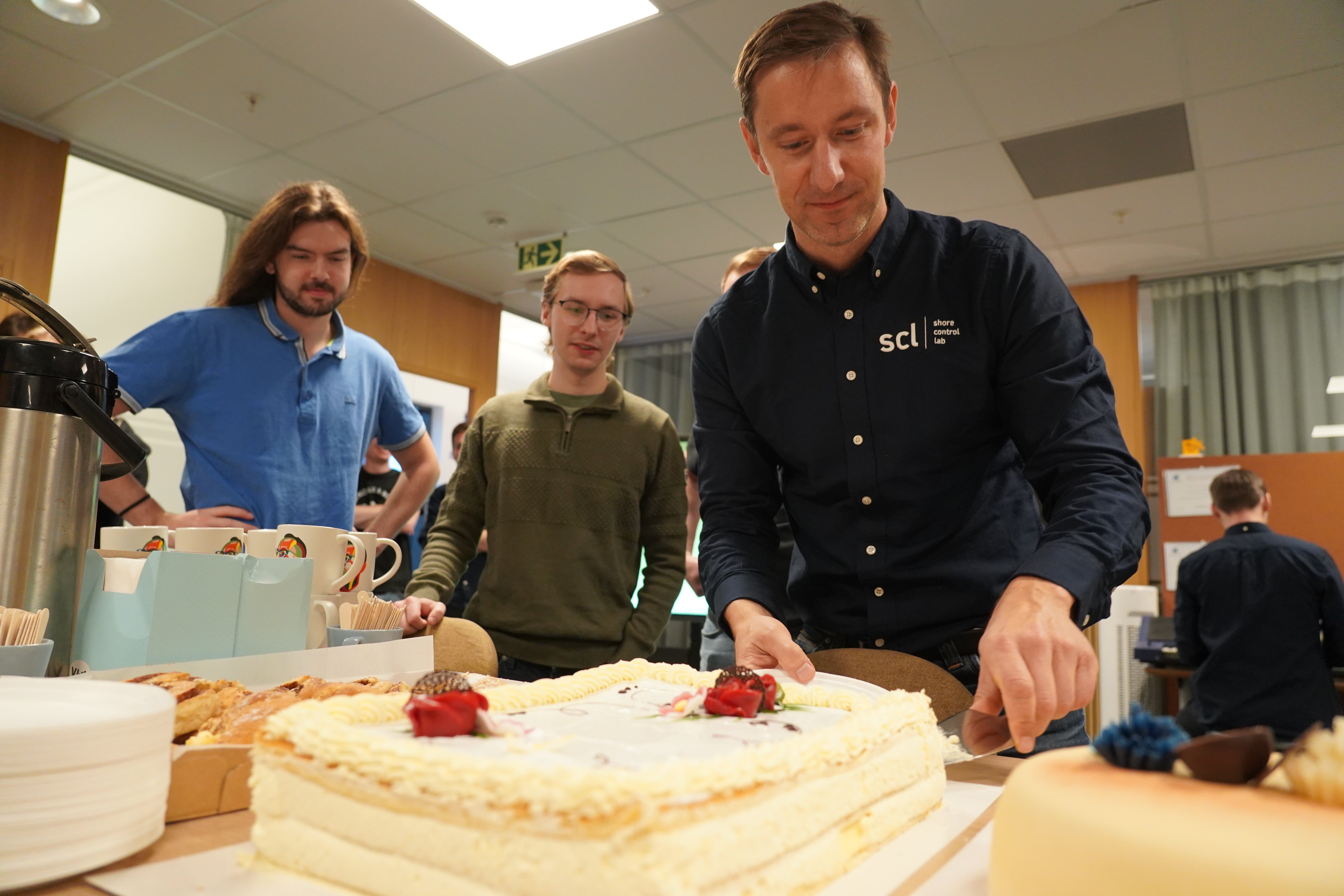 Photo: Lars Bugge Aarset/Fremtidens Industri
Shore Control Lab has served as an important arena for MIDAS activities, bringing researchers, students and maritime companies together to explore how humans and technology will interact in future maritime operations.
The lab also works closely with Testination, the testing and innovation ecosystem established by Fremtidens Industri. Together with Ocean Autonomy Cluster, MIDAS and Shore Control Lab, Testination is involved in developing Remote Operation Centers as an important area for future autonomous maritime operations.
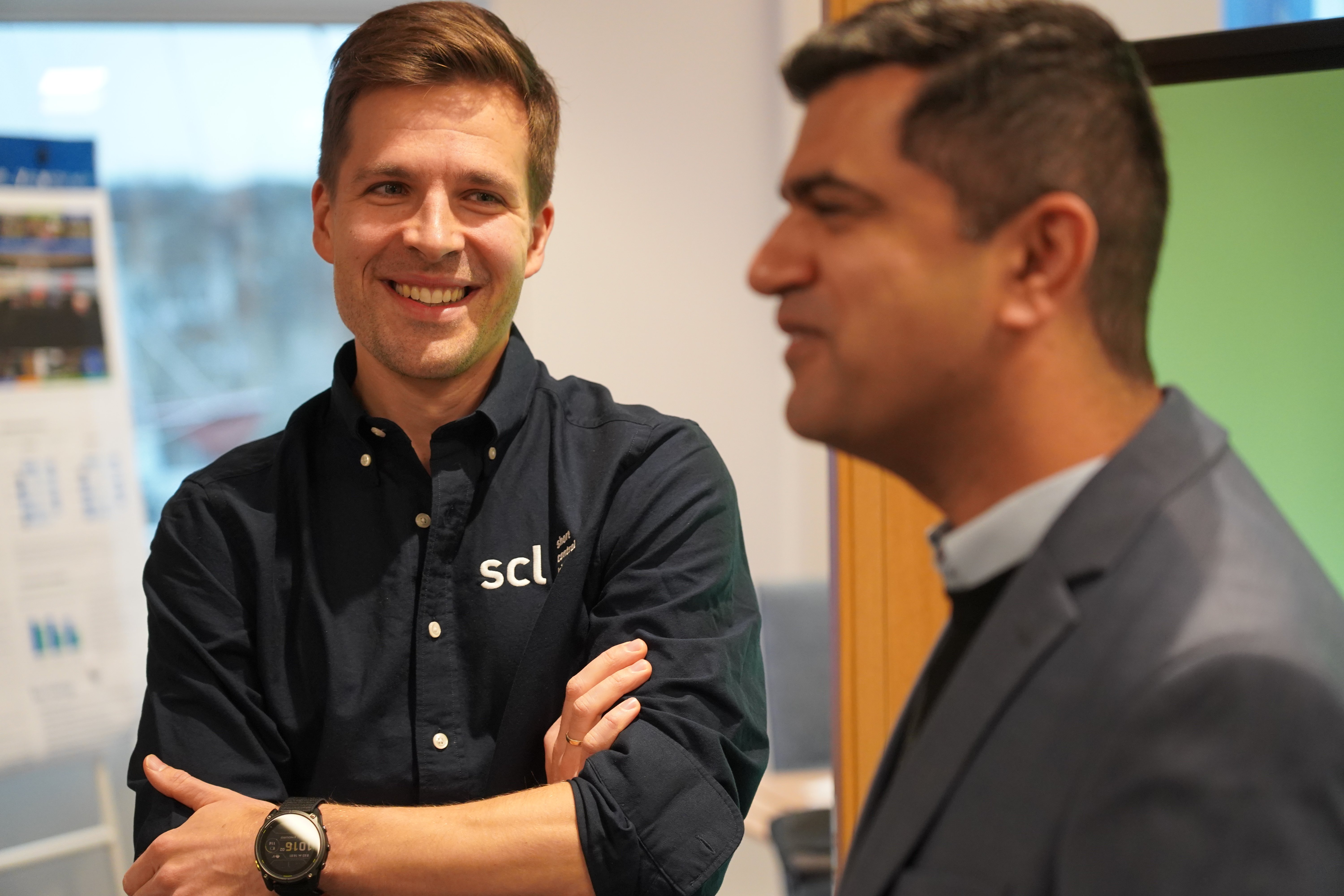 Senior Researcher Erik Aleksander Veitch. Photo: Lars Bugge Aarset/Fremtidens Industri
The collaboration connects research and education at Shore Control Lab with opportunities for companies to test and demonstrate new technology in relevant environments. Testination provides access to test areas, infrastructure, expertise and industry partners for companies developing and scaling new technology.
For Ocean Autonomy Cluster, the Shore Control Lab represents an important link between research, education and companies developing new maritime technology. The lab provides an arena where concepts for remote operation and autonomy can be explored together with students, researchers and industry partners.
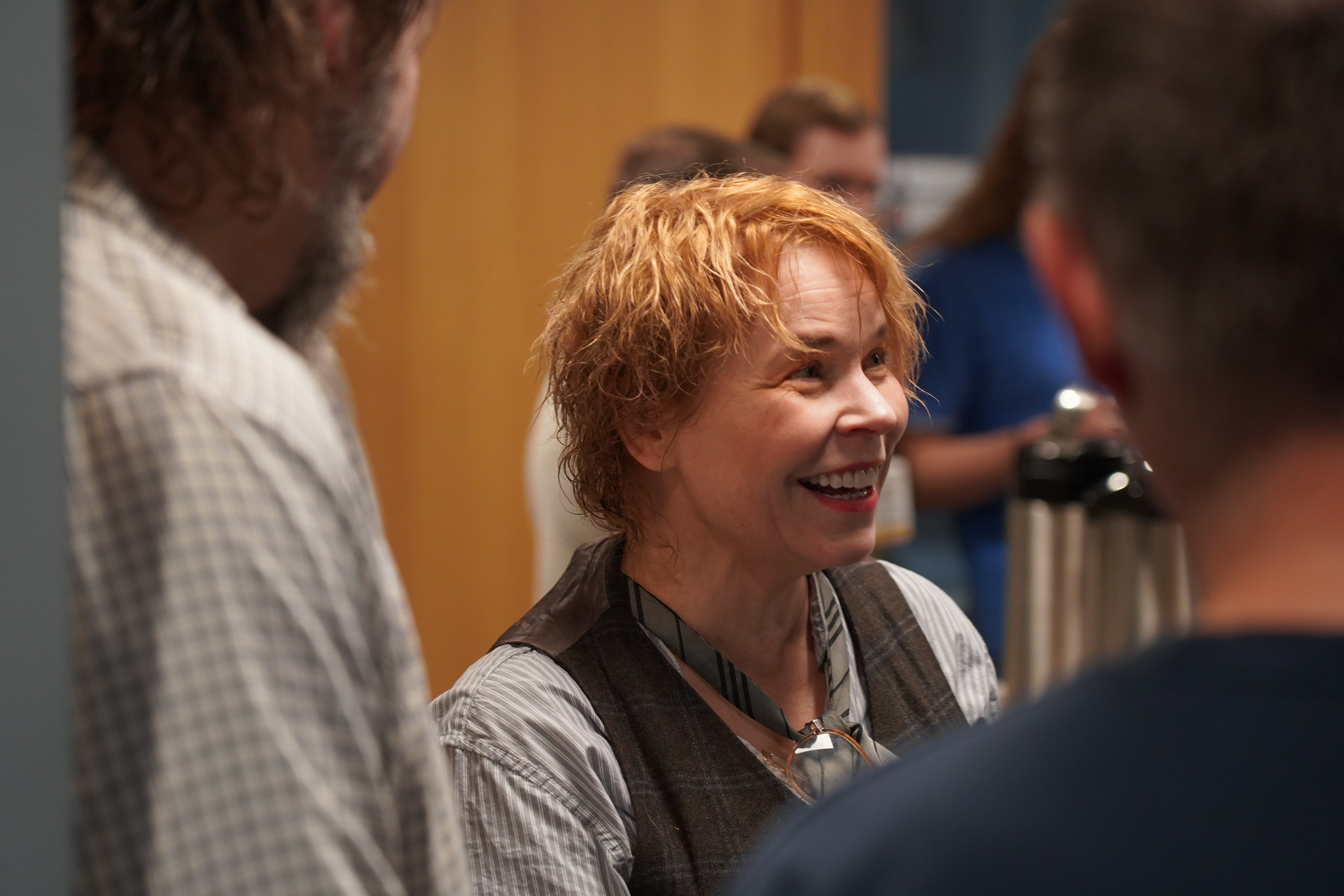
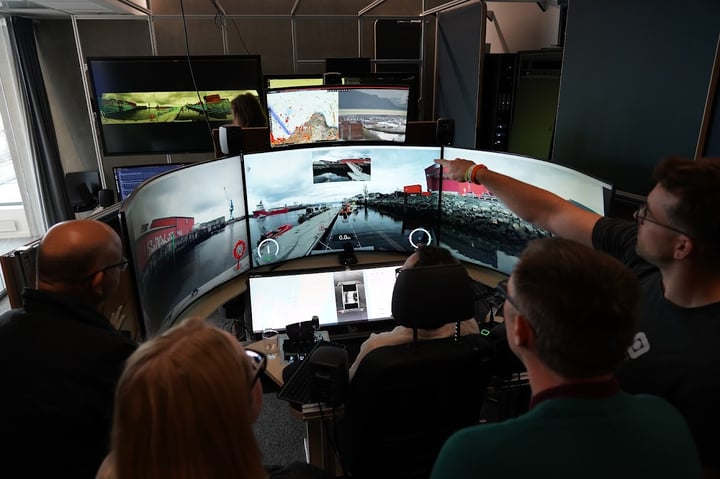 Photo: Lars Bugge Aarset/Fremtidens Industri
Senior Researcher Erik Aleksander Veitch took the anniversary audience back to June 2020, when the laboratory was still an empty space.
“The Shore Control Lab was a blank slate. With help from students and assistants, we started planning. We got feedback from countless stakeholders, construction began, and the vision started to take form,” said Veitch.
He described the moment when the plans became a working research environment:
“Then something magic happened. The lights turned on. Students filled the lab with life and impactful research collaborations happened.”
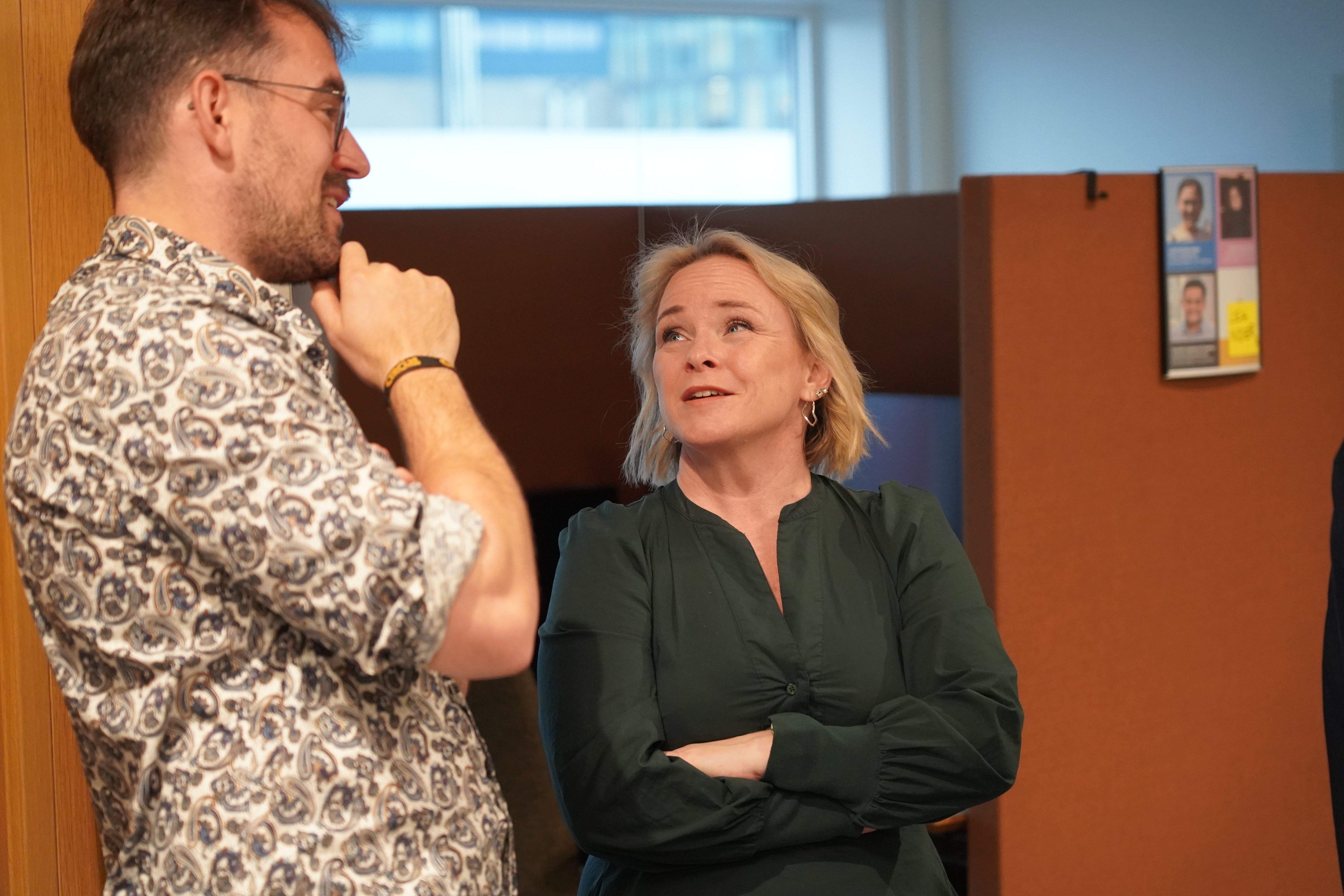
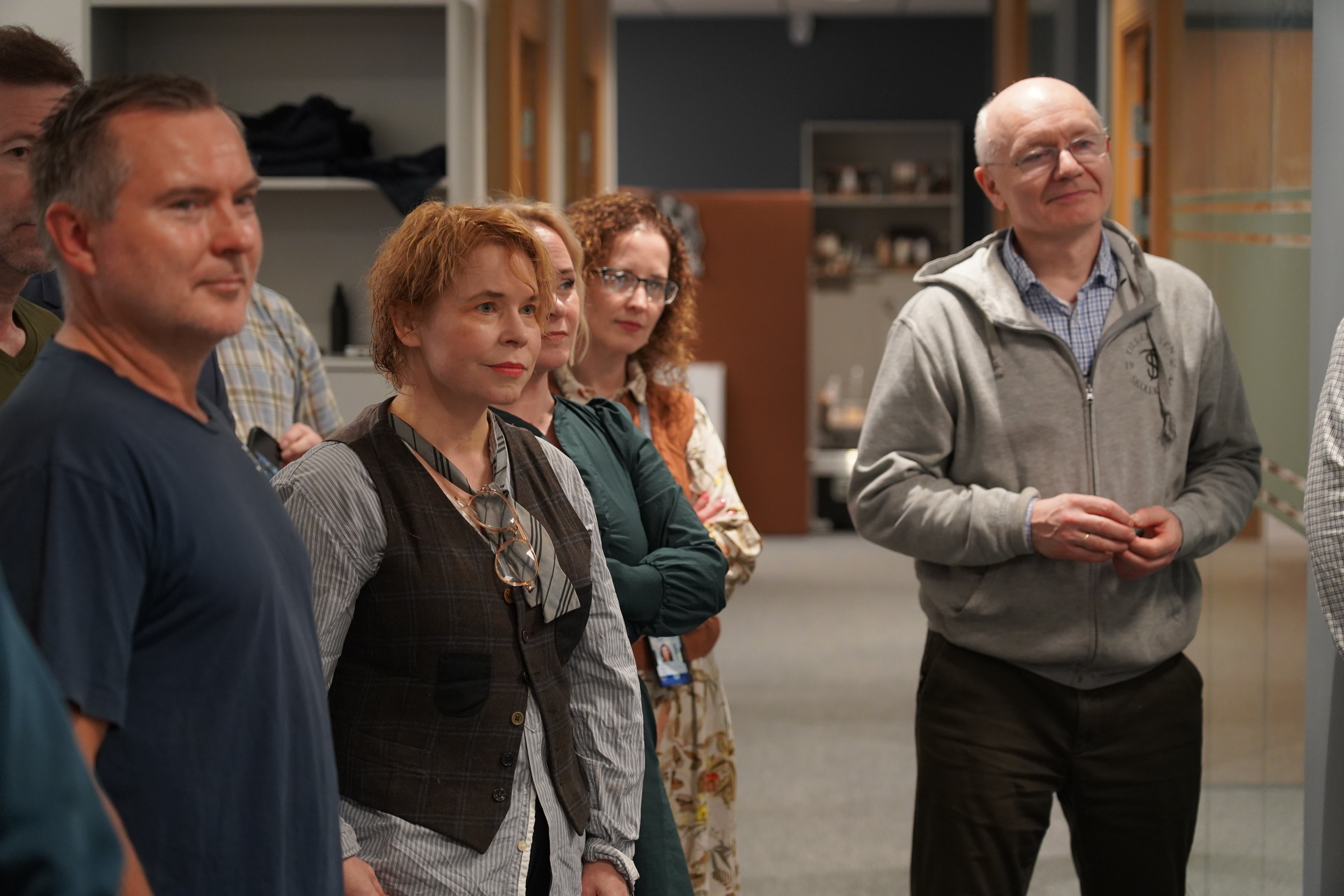
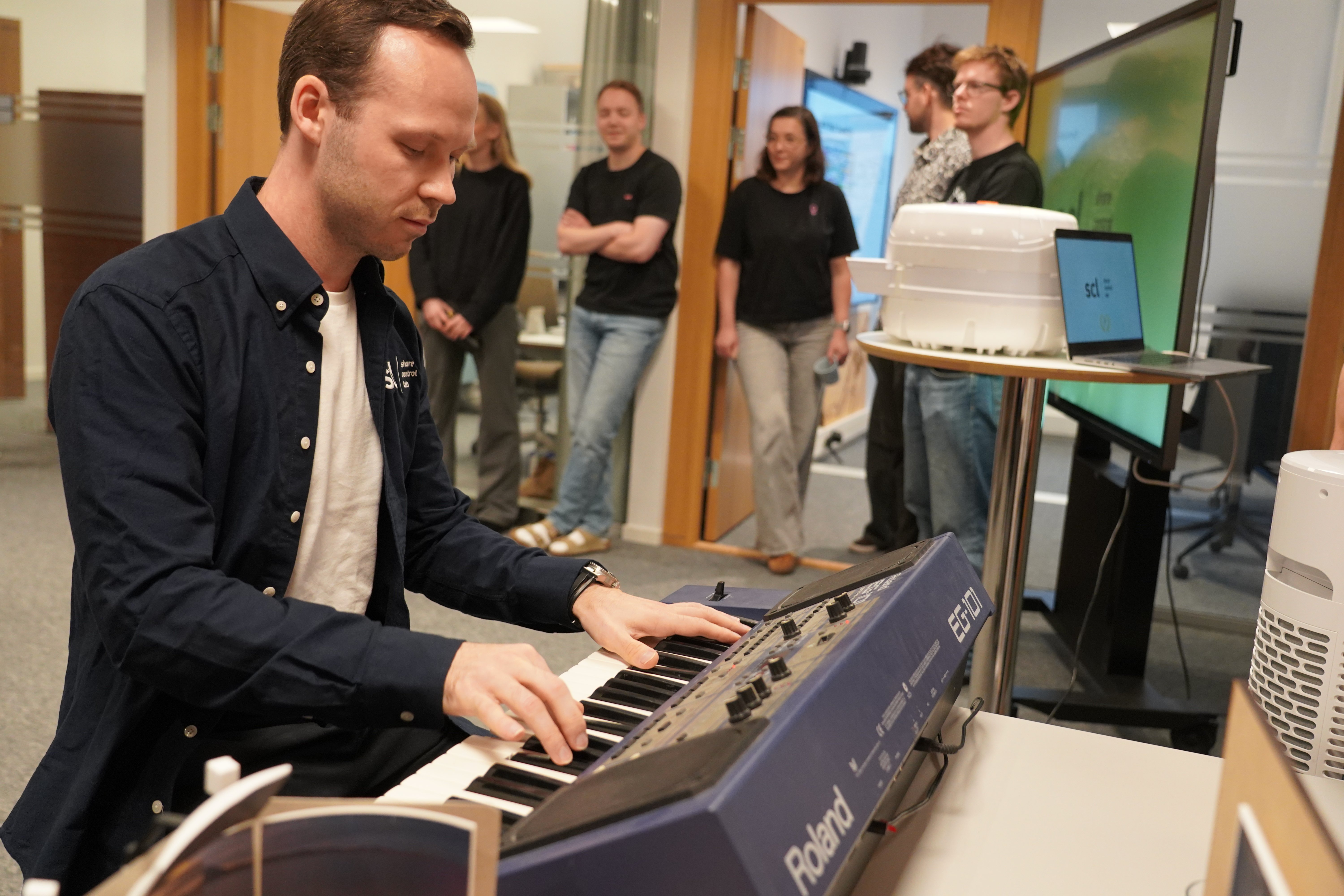 Photo: Lars Bugge Aarset/Fremtidens Industri
The strong involvement of students was also highlighted by Sara Brinch, Dean of NTNU's Faculty of Architecture and Design. She pointed to the opportunities the lab has given students and PhD candidates to take an active role in its development.
“What characterises Shore Control Lab is the opportunity you have given students and PhD candidates to participate, and sometimes even take the lead in its further development. I believe that is quite unique, both within NTNU and in a much broader context,” says Sara Brinch.
Brinch described the laboratory as the result of a genuine joint effort and said she had been impressed by how the environment has grown during its first five years.
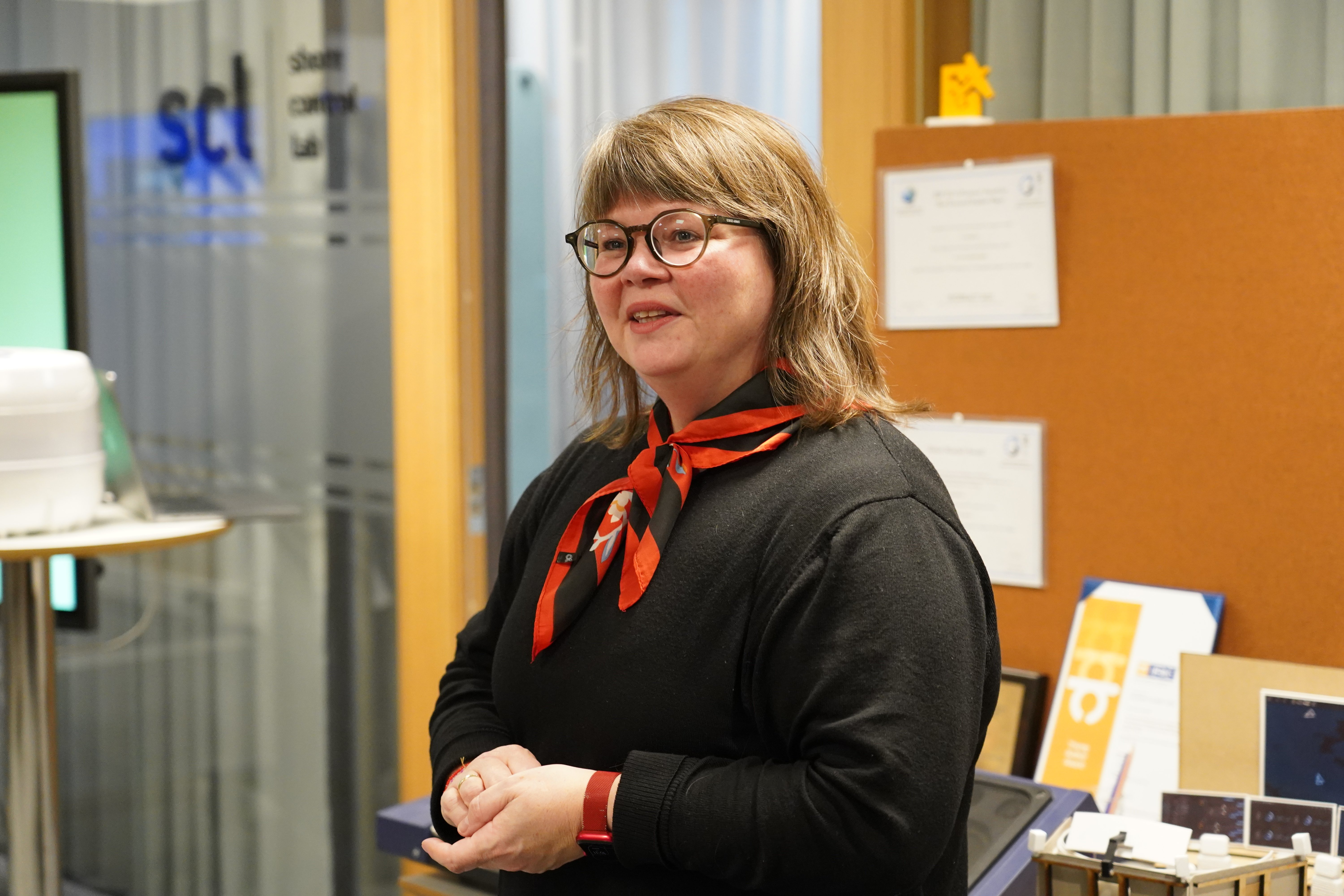 Sara Brinch, Dean of NTNU's Faculty of Architecture and Design. Photo: Lars Bugge Aarset/Fremtidens Industri
For Alsos, the anniversary was also an opportunity to recognise the many people who have contributed along the way. He highlighted students, master's and PhD candidates, researchers, the faculty leadership and external partners as essential to what Shore Control Lab has become.
The result is not only a laboratory, but a collaborative culture that extends beyond the lab itself and connects researchers and students with other disciplines at NTNU and with external partners.
Five years after the lights were first switched on, Shore Control Lab is entering its next chapter with a considerably larger team, a growing research portfolio and close links to the maritime technology community surrounding Ocean Autonomy Cluster.
Eelume is strengthening its collaboration with PETRONAS Research Sdn. Bhd....
On Tuesday, April 30th, Minister of Trade and Industry Cecilie Myrseth (Labour Party) and Minister...
Minister of Trade and Industry Cecilie Myrseth, and Minister of Research and Higher Education...