
What happens when ambitious engineering students are given the freedom to design complete autonomous systems from scratch? At NTNU in Trondheim, the answer is Dialga.
Dialga is a student-led engineering organisation developing autonomous maritime and remotely operated vehicles through hands-on, multidisciplinary engineering.
Bringing together students from mechanical engineering, electronics, software, control systems, computer vision, and communications, the team designs and builds everything in-house, from hull structures and custom electronics to autonomy software and wireless communication systems.
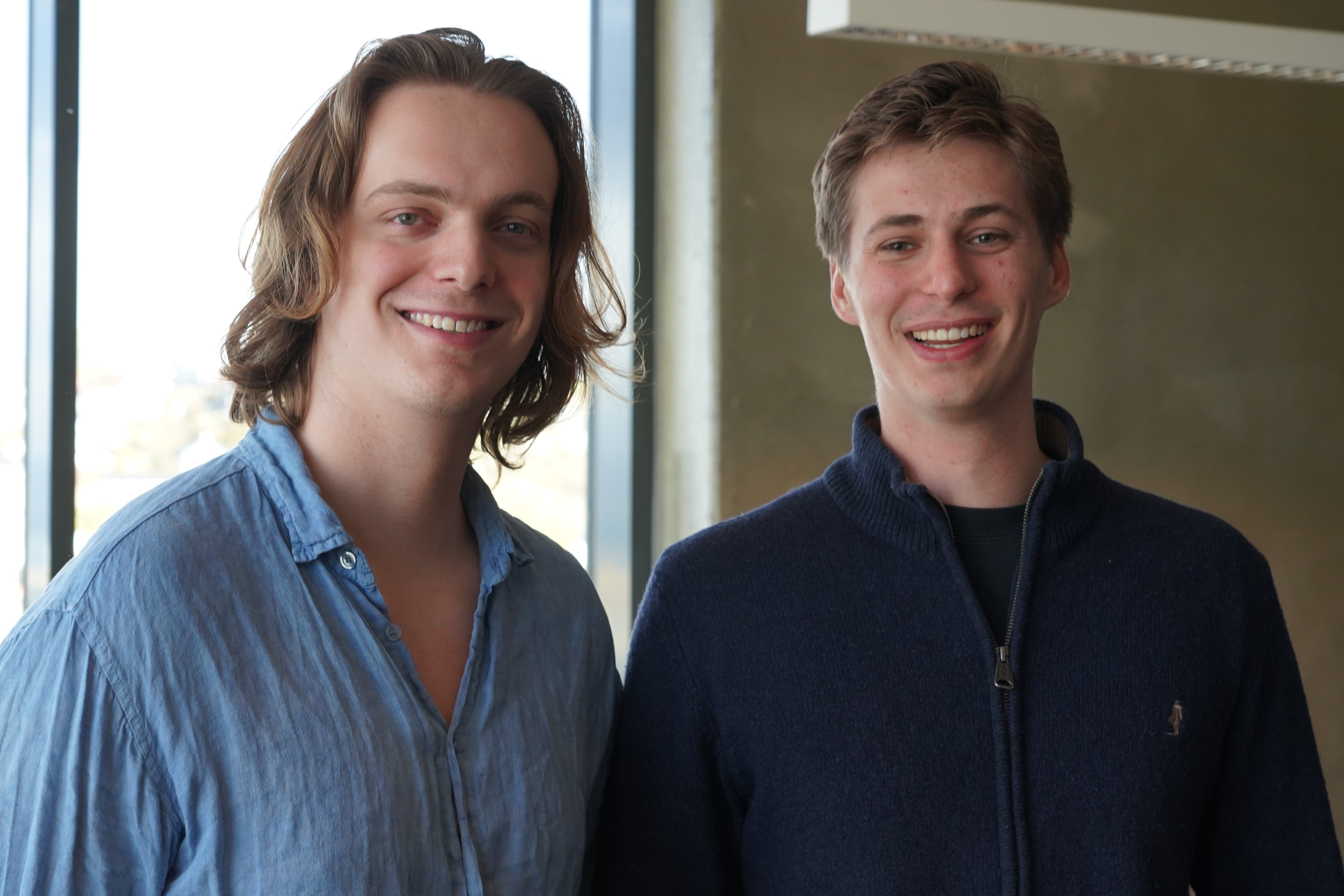 Andreas Lindeman and Amund Grønli from Dialga. Photo: Lars Bugge Aarset/Fremtidens Industri
Building complete autonomous systems
Unlike many student projects that focus on individual subsystems, Dialga develops complete operational platforms. This approach has enabled the team to rapidly explore advanced concepts in maritime autonomy while giving students practical experience in solving real-world engineering challenges.
"We are passionate about building systems that push technological boundaries while remaining practical enough to operate in the real world," says Jacob Hansson, Co-Leader of Dialga.
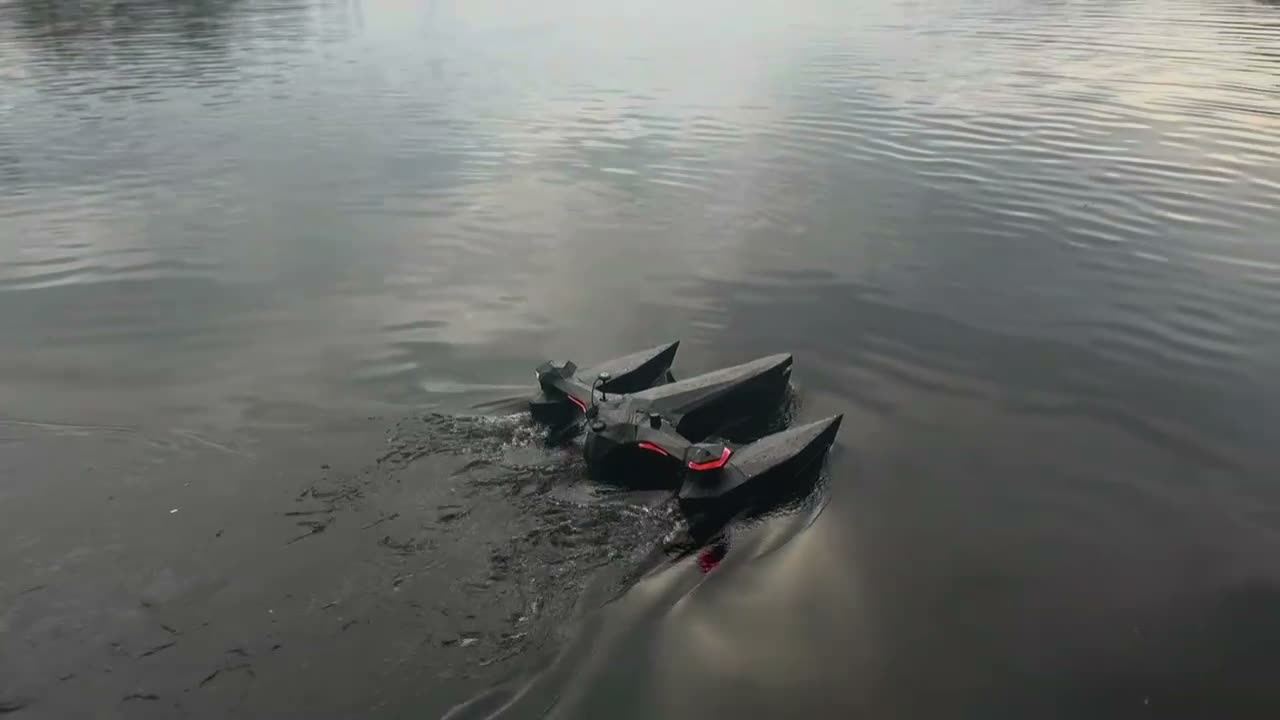 Project Ligmax, Dialga's autonomous trimaran, on the water in Trondheim. Photo: Dialga
"Our goal is not simply to build prototypes, but to create fully integrated autonomous platforms where every subsystem has been designed, tested, and refined by students."
Over the past years, Dialga has developed several increasingly advanced projects. These include Arceus-4G, a remotely operated vehicle controlled through a custom peer-to-peer 4G communications link, and Ligmax, an autonomous trimaran featuring active roll and pitch stabilisation that competed in the Njord Autonomous Ship Challenge in Trondheim.
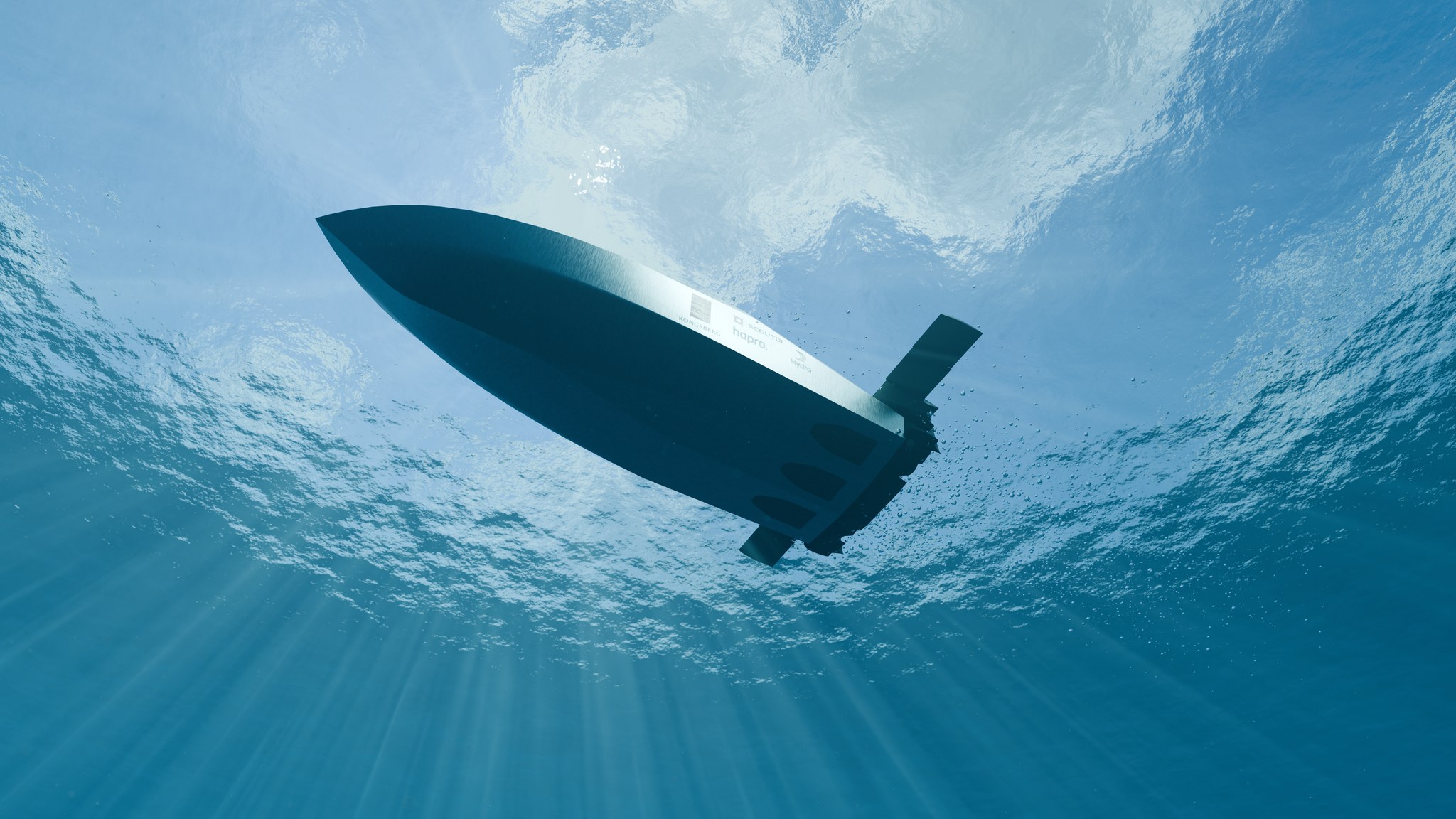 Project Mobula. Illustration: Dialga
Project Mobula takes maritime autonomy further
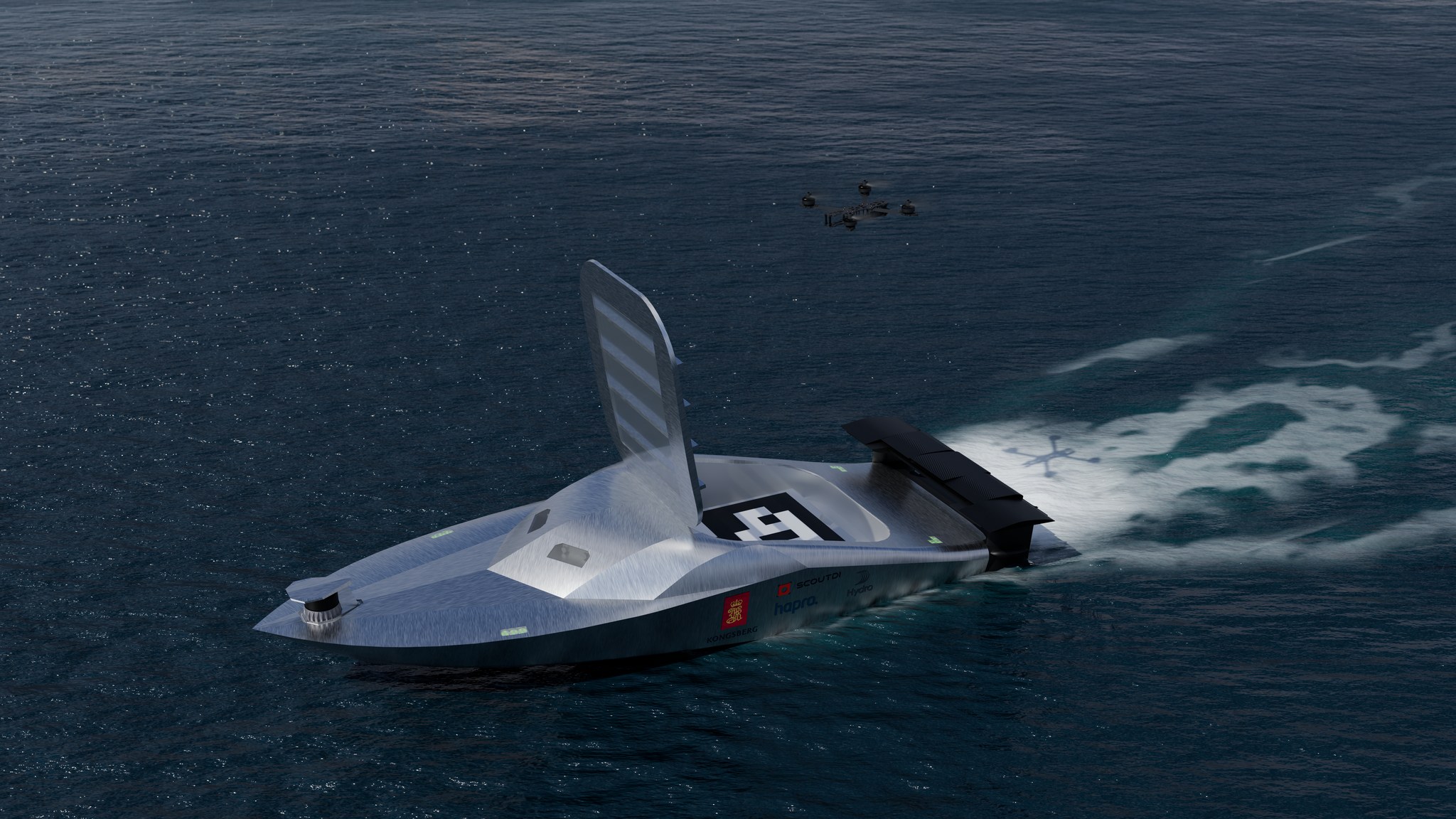
The organisation is currently developing Project Mobula, its most ambitious platform to date. The vessel is designed to operate both on the surface and underwater and incorporates capabilities rarely seen in student-led projects.
Among its innovations is an onboard quadcopter that can be deployed directly from the vessel, alongside a proprietary optical communication system designed to transmit data across the water-air boundary without requiring a physical tether.
"Mobula represents our ambition to combine multiple autonomous domains into a single platform," says Andreas Lindeman, Co-leader of Dialga.
"We are exploring how surface vessels, underwater systems and aerial drones can work together as one integrated system. It is a challenging engineering problem, but that is exactly what motivates our team."
Lindeman believes the future of maritime autonomy will increasingly depend on the ability to connect systems operating above and below the waterline.
"A major part of our work involves solving challenges where autonomy, communication and real-world operations intersect. Those are the kinds of engineering problems that excite our members and drive innovation forward."
A bridge between academia and industry
Beyond technology development, Dialga sees itself as a bridge between academia and industry. The organisation openly shares technical documentation and development experiences, providing valuable insights for both industry partners and future student engineers.
According to Hansson, the practical nature of the projects is one of the organisation's greatest strengths.
"Our members gain experience designing, manufacturing, wiring, testing and troubleshooting complete autonomous systems. That kind of end-to-end engineering experience is difficult to replicate in a classroom environment."
Through open documentation and active engagement with industry partners, the organisation aims to contribute knowledge and practical experience that can benefit the wider maritime technology community.
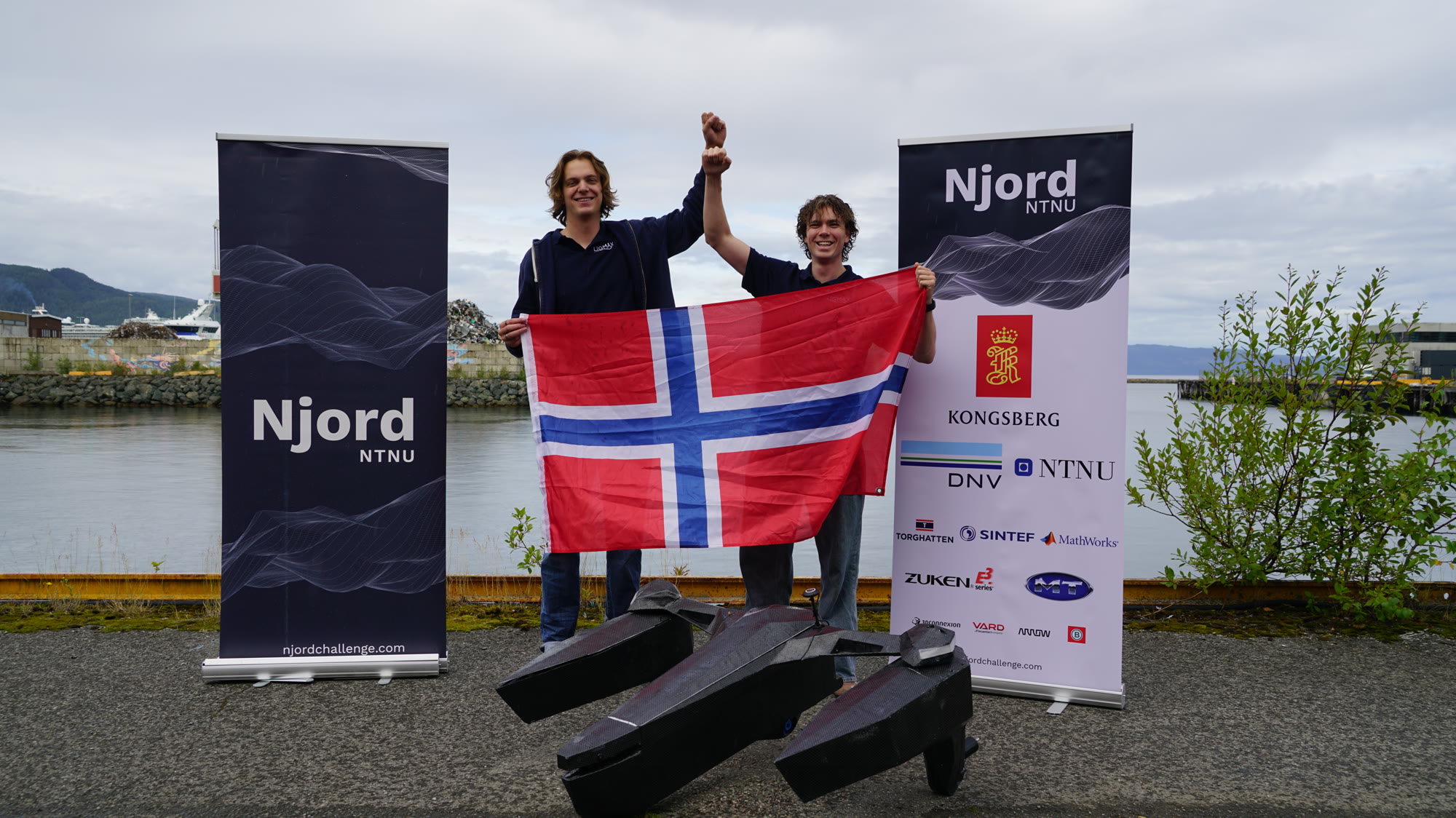 Andreas Lindeman and Jacob Hansson with the autonomous trimaran Ligmax at the Njord Autonomous Ship Challenge in Trondheim. Photo: Dialga.
Collaborating across the cluster
Dialga has already established a partnership with fellow Ocean Autonomy Cluster member SubSeaSail, which is supporting the team in the development of Project Mobula.
Based in San Diego, SubSeaSail develops autonomous surface and underwater vessels powered by renewable energy, with a focus on long-duration maritime operations and low-signature autonomous systems.
The company joined Ocean Autonomy Cluster in 2024 and has attracted international attention for its innovative BlueTech solutions and autonomous vessel technology.For Dialga, the collaboration demonstrates the value of connecting emerging engineering talent with experienced technology developers from across the global ocean autonomy community."
Collaborations like this allow us to learn from companies that are solving real-world maritime challenges while also contributing with new ideas and approaches of our own," says Andreas Lindeman, Co-Leader of Dialga.
As Project Mobula progresses towards sea trials, the partnership provides valuable opportunities for knowledge exchange and technical discussions between two organisations exploring different aspects of autonomous maritime operations.
See also: SubSeaSail joins Ocean Autonomy Cluster 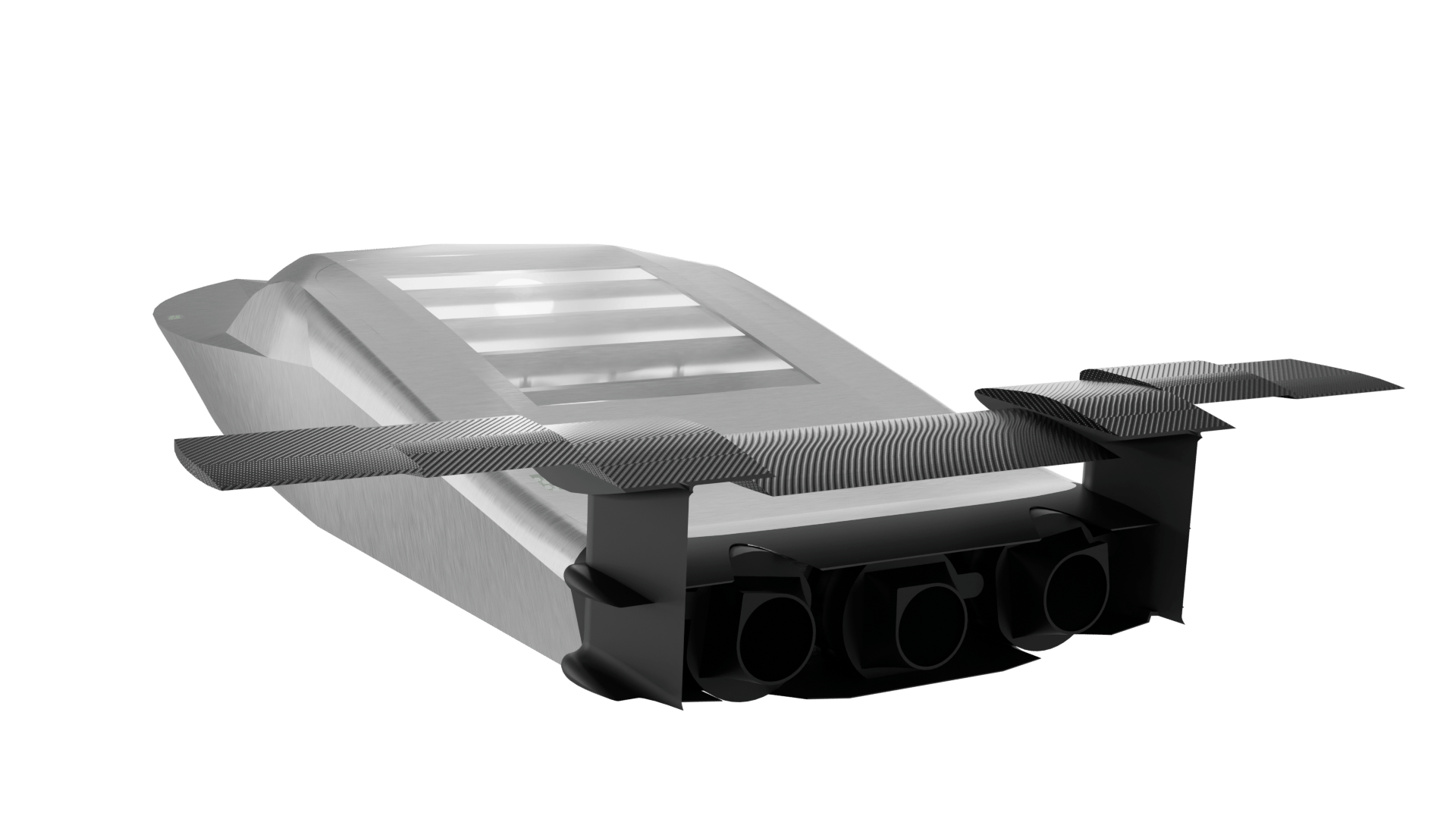 Project Mobula. Illustration: Dialga
Joining Ocean Autonomy Cluster
As Dialga continues to expand its activities and prepare Project Mobula for sea trials, the organisation is also becoming part of a broader innovation ecosystem through its membership in Ocean Autonomy Cluster.
"We see great value in being part of a community that brings together technology developers, research institutions and industry leaders," says Hansson.
"It gives us an opportunity to learn from experienced actors in the maritime sector, contribute our own perspectives, and explore collaborations that can help accelerate innovation in ocean autonomy."
Ocean Autonomy Cluster is pleased to welcome Dialga as a new member and looks forward to following the development of the organisation's ambitious projects in the years ahead.