Trondheim municipality testing electric hydrofoil to Munkholmen
By Lars Bugge Aarset/Fremtidens Industri

A new passenger survey for Frostabåten confirms what the project team has long believed: there is strong interest in a new ferry connection between Frosta and Trondheim. At the same time, the results show that the passenger base is even stronger than expected, both among commuters and people who own holiday homes in Frosta.
The survey, which collected responses from 1,332 people with connections to Frosta, follows this winter’s extensive test sailing programme with the electric hydrofoil ferry Candela P-12 in Trondheim Fjord. The trials were carried out through the Frostabåten project in collaboration with Ocean Autonomy Cluster, FI Ocean Space Incubator, Testination, NTNU, and a range of public and private stakeholders to explore both the technology and the market potential for a future maritime connection between Frosta and Trondheim.
Mayor Frode Revhaug believes the survey sends a clear signal that interest in Frostabåten is deeply rooted in the local community.
“I am delighted to see that so many people want to use Frostabåten. For me, this is about making everyday life easier for those who live here and enabling more people to choose Frosta as their home while working or studying in Trondheim. It is also exciting to see that so many part-time residents say the ferry could encourage them to spend more time here. There is still work to be done before a permanent service is established, but these responses provide strong motivation to continue moving forward,” says Mayor Frode Revhaug.
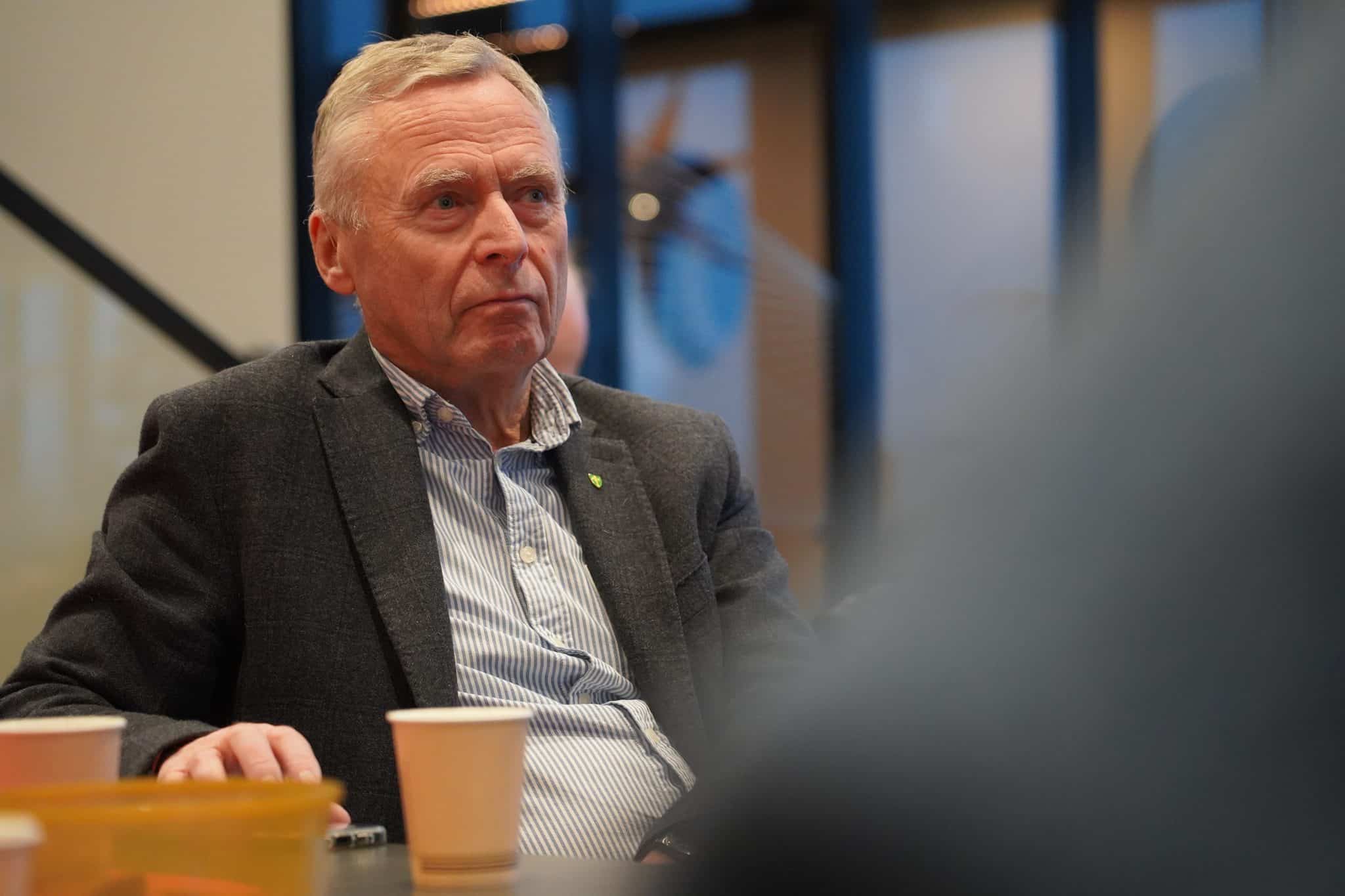 Mayor of Frosta, Frode Revhaug. Photo: Lars Bugge Aarset / Fremtidens Industri
Project initiator Terje Viken says the results align closely with the impressions gathered during the test sailing programme.
“We expected strong interest, and that has been confirmed throughout the entire testing period. What is particularly interesting is just how broad the passenger base actually is. We are not only seeing a significant number of potential commuters, but also very strong interest from people who own holiday homes in Frosta. That creates a much more robust market foundation than a traditional commuter service alone,” says Viken.
The survey shows that 235 respondents say they would commute to work or study in Trondheim if the timetable matched their needs.
When responses are weighted according to expected travel frequency, this corresponds to approximately 144 passengers in each direction on an average weekday.
The figures point to a substantial market for a future high-speed ferry service. The survey also indicates that the connection could influence settlement patterns. Several respondents considering relocating to Frosta say that a ferry service would make the municipality a more attractive place to live.
The survey also provides a clear indication of the most important departure times. Nearly half of all morning commuters prefer departures between 06:30 and 07:30, while afternoon demand is distributed relatively evenly between the periods 15:00-16:00 and 16:00-17:00.
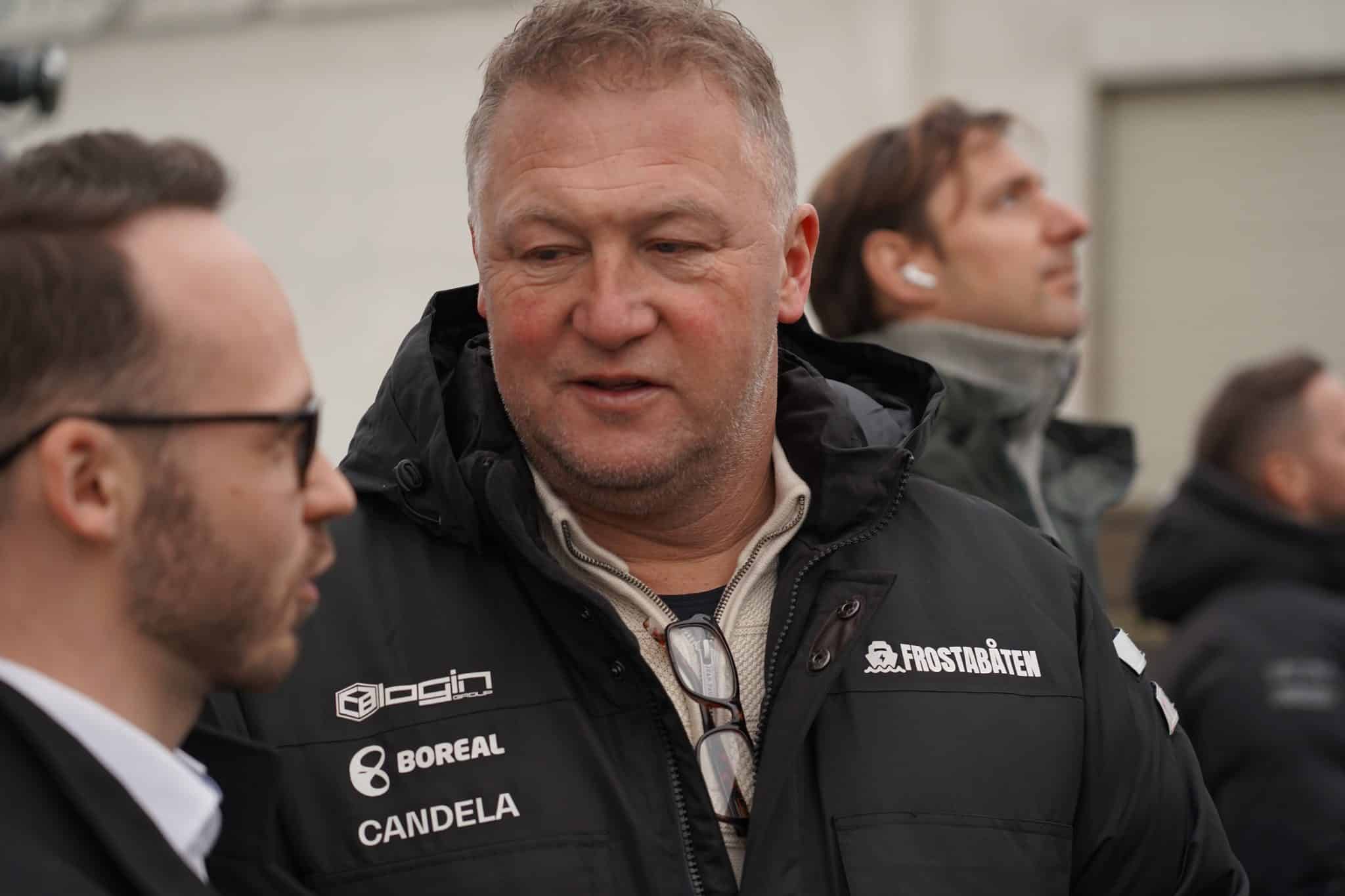 Frostabåten pioneer Terje Viken. Photo: Lars Bugge Aarset / Fremtidens Industri
One of the most interesting findings is the strong interest among people who own holiday homes in Frosta.
Of the 506 respondents who identify as part-time residents, 337 say they would use Frostabåten to travel to and from their holiday properties. That corresponds to roughly two-thirds of the group.
An additional 223 holiday-home owners say that a ferry service would encourage them to spend more time in Frosta throughout the year and commute to Trondheim from there more frequently. This potential comes on top of the regular commuter market and is therefore not included in the estimate of 144 daily commuter passengers.
In total, the survey estimates approximately 5,600 leisure trips per month. As many as 76 percent of respondents say they would use the ferry at least once or twice per month for activities such as cultural events, dining, shopping, and visiting friends and family.
This means Frostabåten could become much more than a commuter service. It could also serve as an important link between Trondheim and the many holiday homes in Frosta, generating significant traffic during afternoons, weekends, and holiday periods.
 At 15 knots, the hydrofoils lift the hull out of the water and the vessel begins to fly. Photo: Lars Bugge Aarset / Fremtidens Industri
The strong interest reflected in the survey is consistent with experiences from the winter testing programme.
During the trials, the Candela P-12 operated between Trondheim, Frosta, Leksvik, Munkholmen, Grilstad Marina, and several other locations around the fjord. The purpose was both to demonstrate the vessel’s capabilities and to gather data that can support the future development of maritime mobility solutions.
The project also demonstrated how electric hydrofoil vessels can dramatically reduce energy consumption compared with conventional high-speed ferries. By lifting the hull above the water on hydrofoils, the Candela P-12 reduces drag and combines high speed with low emissions and low energy use.
Research partners used the test period to explore future solutions for increasingly automated maritime operations. Through collaboration with NTNU Shore Control Lab, the vessel was connected to a shore-based control centre via the 5G network to test remote monitoring, video streaming, and navigation support systems.
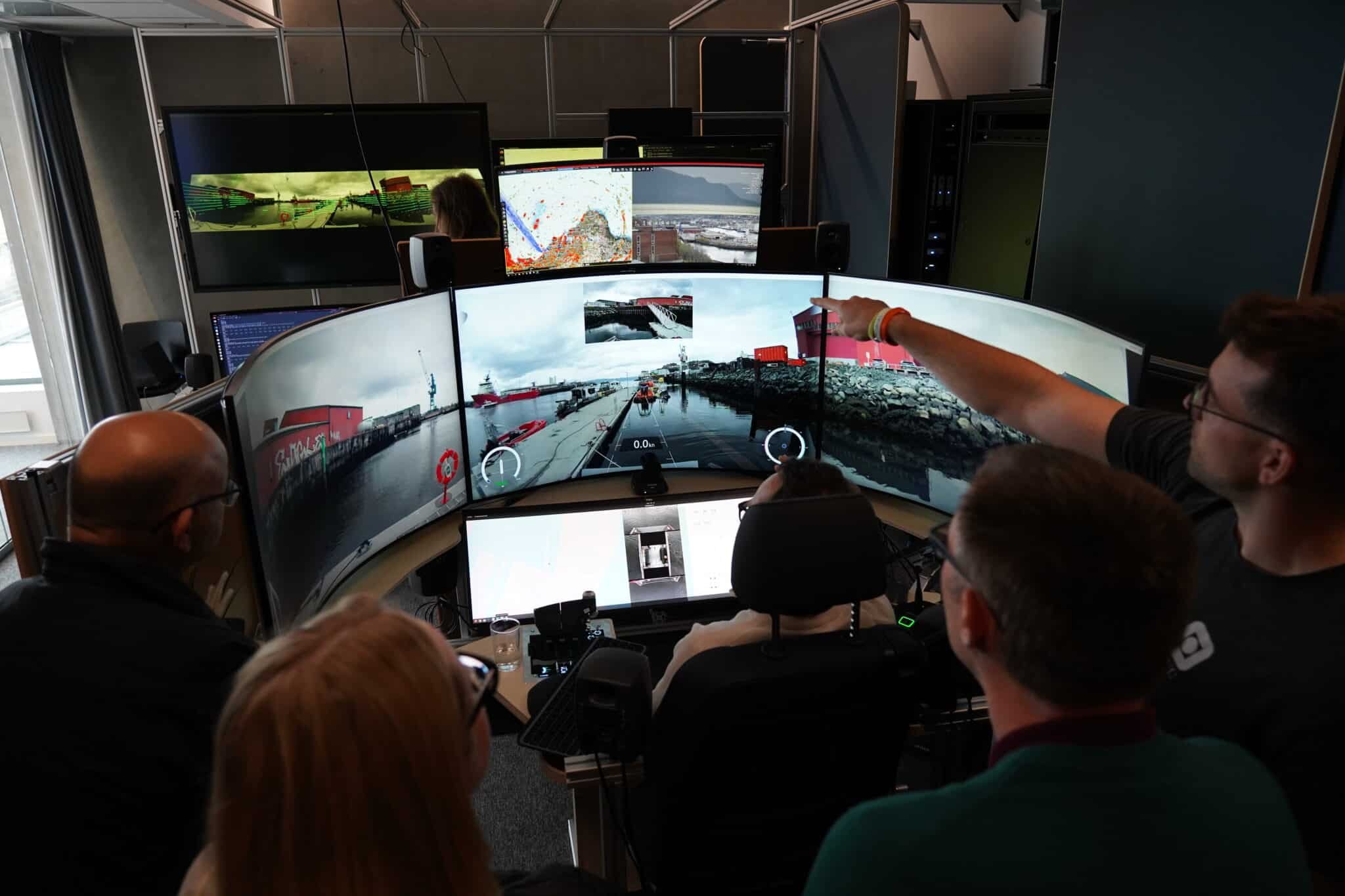 NTNU Shore Control Lab. Photo: Lars Bugge Aarset / Fremtidens Industri
The goal of Frostabåten is to establish an emission-free transport connection that can reduce travel time between Frosta and Trondheim to around 25 minutes. The project also aims to support green mobility, regional development, and new opportunities for settlement, business growth, and tourism on both sides of Trondheim Fjord.
For project partners Ocean Autonomy Cluster, FI Ocean Space Incubator, and Testination, the survey provides important evidence that there is not only a strong technological case for the initiative, but also a substantial market eager to use the service.
Although the survey notes that respondents were self-selected and therefore may not fully represent the entire population, the overall picture is clear: interest in restoring a fast maritime connection between Frosta and Trondheim is strong. The findings confirm the project’s expectations of significant demand while also demonstrating that the market potential, particularly among holiday-home owners, is even greater than anticipated.
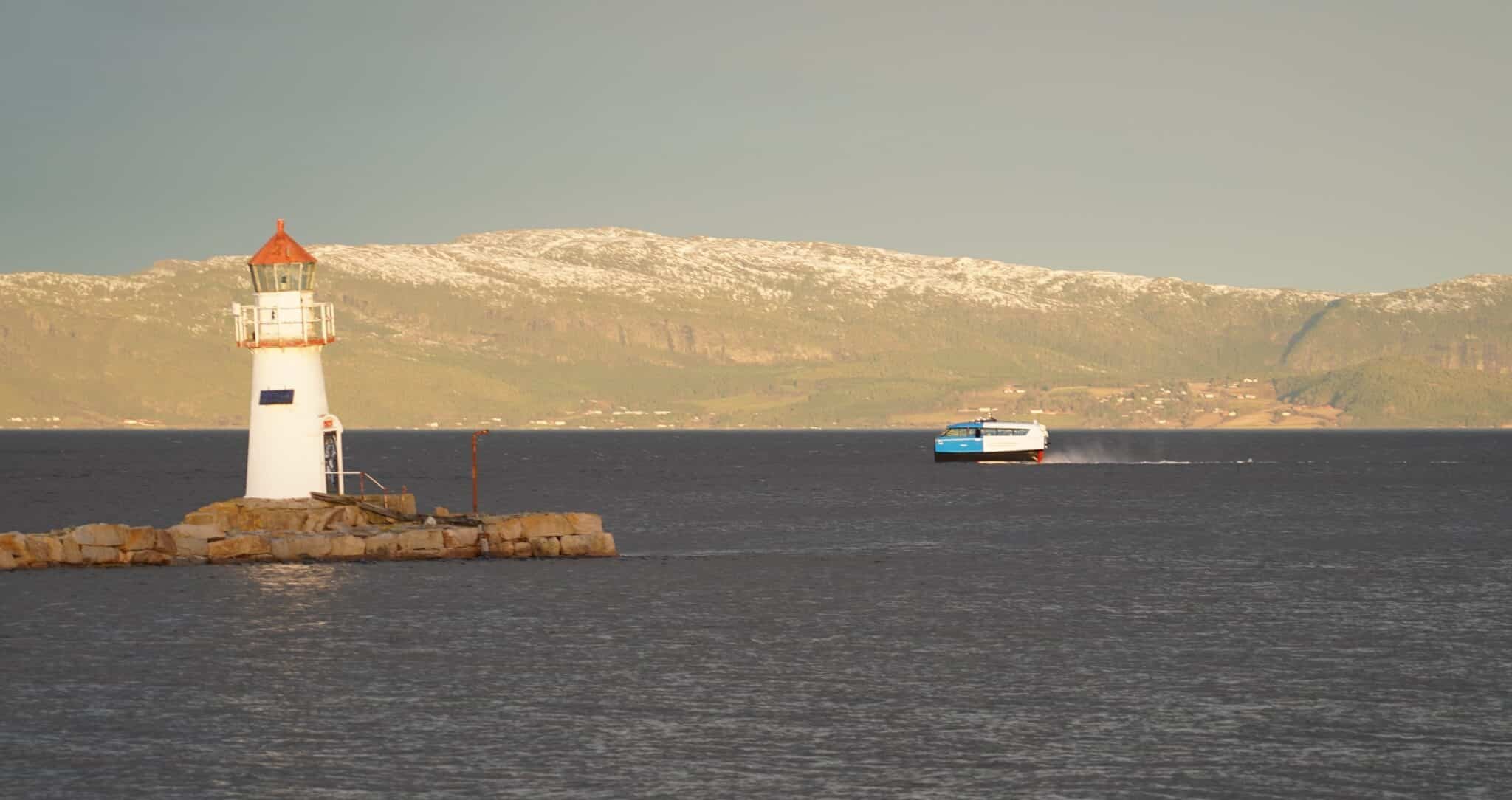 Test sailing of Frostabåten, the electric hydrofoil Candela P-12, in Trondheim Fjord. Photo: Lars Bugge Aarset / Fremtidens Industri
By Lars Bugge Aarset/Fremtidens Industri
What happens when a ferry starts taking over some of the tasks we normally...